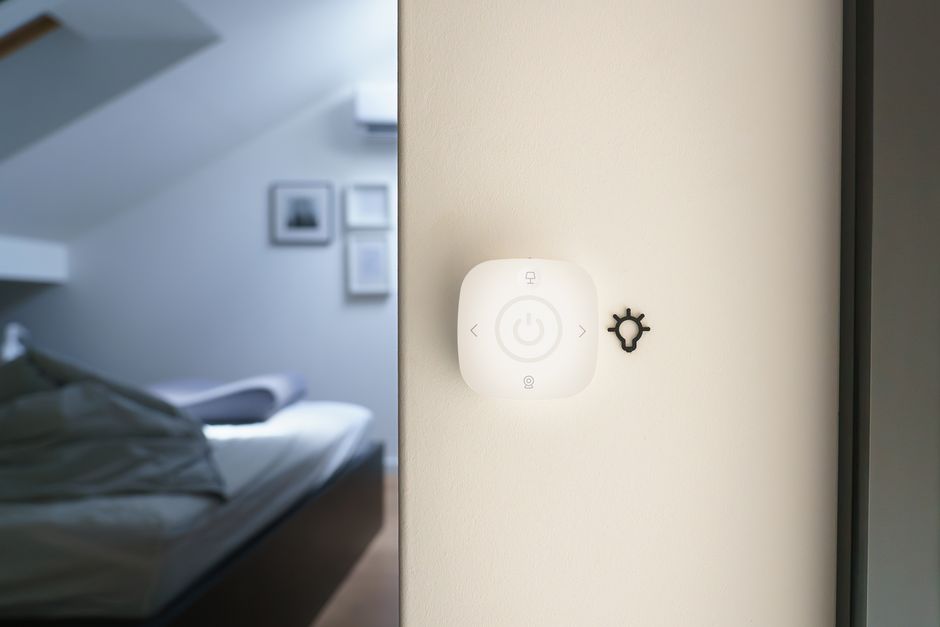
Optimizing the primary bedroom environment using smart home technology directly enhances sleep hygiene, morning wake-up experiences, and nighttime relaxation. By automating environmental sleep factors—circadian lighting color shifts, precision sleeping temperature zoning, motorized blackout window coverings, and white-noise acoustic masking—bedroom smart devices promote deeper REM sleep cycles. Designing a smart bedroom in 2026 requires selecting non-disruptive, privacy-focused technology that operates quietly in the background without intrusive LED indicator glare or intrusive cameras.
Circadian Sunrise Lighting and Gentle Morning Alarm Routines
Waking up to harsh, sudden audible alarm clocks triggers a spike in cortisol and causes morning grogginess (sleep inertia). Circadian smart lighting simulates natural sunlight wake-ups.
Sunrise Simulation Lighting Architecture. Programming smart bedside lamps or overhead ambient lighting (Philips Hue, Nanoleaf, or Kasa Color Bulbs) to execute a 20-minute “Sunrise Simulation” routine transforms morning wake-ups. Beginning 20 minutes before your scheduled wake-up time, smart bulbs turn on at 1% brightness in a deep warm red/amber hue (2000K), gradually increasing in brightness and shifting color temperature to 5000K crisp daylight white at wake-up time. This gradual light increase suppresses melatonin production naturally, allowing you to wake up feeling refreshed.
Zero-Blue-Light Evening Wind-Down. In the evening, bedroom smart bulbs automatically eliminate blue light spectrum wavelengths after 8:30 PM, shifting to ultra-warm amber tones (2200K at 15% brightness) to promote natural sleepiness.
Sleep Micro-Climate Control and Overnight HVAC Zoning
Sleep research confirms that the human body requires a cooler core temperature to initiate and maintain deep sleep, with 65°F to 68°F (18°C to 20°C) identified as the optimal sleeping temperature window.
Remote Room Sensor Zoning. Centralized hallway thermostats fail to maintain optimal bedroom temperatures overnight. Pairing a smart thermostat (ecobee Smart Premium) with a dedicated bedroom temperature sensor ensures the HVAC system monitors bedroom climate specifically between 10:00 PM and 6:00 AM, preventing overnight overheating.
Smart Mattress Temperature Pads (Eight Sleep Pod 4). For precision thermal sleep optimization, smart water-cooled mattress covers (Eight Sleep Pod 4) adjust bed surface temperatures dynamically between 55°F and 110°F on each side of the bed independently, using real-time heart rate and sleep phase monitoring.
Motorized Blackout Window Shades and Acoustic Masking
Blocking street light pollution and masking ambient outdoor noise creates a sensory-shielded sleep sanctuary.
Automated Motorized Blackout Shades. Installing motorized blackout roller shades (Lutron Serena, SwitchBot Blind Tilt, or Eve MotionBlinds) automates daylight management. Shades close automatically at bedtime to block morning streetlights and open 30% at your scheduled wake-up time to let in natural morning light.
Smart White-Noise Acoustic Masking. Plugging a high-fidelity white-noise sound machine (LectroFan or Hatch Restore 2) into a smart plug allows setting automated sleep noise routines that turn on soothing rainfall or pink noise at bedtime, turning off automatically 30 minutes after wake-up time.
Smart Bedroom Device Feature & Purpose Matrix
| Device Category | Top Recommended Model | Core Sleep Improvement Function | Noise / Light Impact Level | Investment Cost |
|---|---|---|---|---|
| Sunrise Smart Lighting | Philips Hue Color / Nanoleaf Matter| Gradual 20-min sunrise light wake-up | Zero Noise (Gentle Light Fade) | $40 – $90 | |
| Bedroom Temp Sensor | ecobee Smart Room Sensor | Overnight 67°F bedroom climate zoning | Zero Light / Zero Noise | $40.00 |
| Motorized Blackout Shades| SwitchBot Blind Tilt / Eve Blinds | Automated nighttime blackout & morning light| Whisper-Quiet Motor Operation | $70 – $250 | ||
| Smart White-Noise Plug | Hatch Restore 2 / LectroFan Plug | Acoustic street & hallway noise masking | Soothing Pink/White Noise | $30 – $90 |
| Smart Mattress Cooler | Eight Sleep Pod 4 Cover | Dual-zone dynamic bed temperature cooling| Silent Hydro-Pump Unit | $2,200+ (Luxury) |
Eliminating Bedroom “Dark-Current” LED Light Pollution
A common complaint in smart bedrooms is bright status LEDs on smart plugs, air purifiers, and hubs that glow in the dark, disrupting sleep.
Dark-Current Mitigation Best Practices:
– Enable App LED Stealth Modes: Quality smart devices (Kasa, Eve, ecobee) allow disabling LED indicator lights completely through mobile app settings.
– Apply LightDims Dimming Sheets: Apply removable LightDims static cling sheets over non-defeatable LED status lights on displays or power strips to block 80% to 100% of unwanted light glare.
– Avoid Bedroom Cameras: Keep video security cameras out of primary bedrooms to preserve absolute personal privacy.
Concluding Recommendation
Build an optimal smart bedroom environment by deploying Philips Hue or Kasa smart color bulbs programmed for a 20-minute sunrise wake-up routine, paired with an ecobee smart thermostat room sensor maintaining 67°F overnight sleeping climate.
Smart Air Quality Optimization for All-Night Sleep Comfort
Indoor air quality significantly influences sleep architecture, respiratory health, and morning nasal congestion.
Automated Bedroom Air Purifier Integration. Connecting a high-efficiency HEPA air purifier (Levoit Core 300S or Smartmi Air Purifier) to bedroom air quality sensors automates allergy protection. When sensors detect elevated PM2.5 dust particles or pollen allergens overnight, the air purifier automatically increases fan speeds to low-noise quiet mode, maintaining clean indoor air throughout sleeping hours.
Automated Bedroom Humidity Regulation. In winter heating months, dry indoor air (humidity below 30%) causes dry throat, nasal irritation, and snoring. Pairing a smart ultrasonic humidifier (Kasa or Levoit Smart Humidifier) with a bedroom climate sensor maintains optimal 45% to 50% relative humidity overnight, shutting off automatically when target humidity is reached.
Smart Bedside Remote Control Triggers
Placing a wireless smart button (Lutron Pico Remote or Flic 2) on bedside nightstands provides tactile physical control without reaching for smartphones or issuing vocal commands in the dark. A single tap activates bedtime lockdown routines, while a double tap turns on dimmed nightlight paths for late-night bathroom visits.
Bedroom Smart TV Backlight and Sleep Mode Integration
For bedrooms equipped with televisions, installing Govee or Philips Hue TV backlights synced to smart home scenes enhances bedtime entertainment. Executing a “Bedtime” routine automatically turns off bedroom TVs, sets ambient LED backlights to warm 10% amber brightness for 15 minutes, and closes motorized window shades to establish a quiet sleep sanctuary.
Smart Bedside Wireless Charging Stations and Ambient Clocks
In addition to lighting and climate automation, deploying smart wireless charging stands (Anker MagGo or Belkin 3-in-1 BoostCharge) on bedside nightstands provides fast 15W wireless charging for iPhones and Apple Watches while displaying ambient nightstand clock displays, creating a clutter-free bedside charging setup.
Evaluating Bedroom Air Quality and HEPA Filtration
In addition to climate zoning and lighting, maintaining clean indoor air quality overnight improves respiratory health during sleep. Deploying an automated smart air purifier (Levoit Core 300S) configured with quiet sleep mode fan speeds removes airborne dust particles and allergens, ensuring clean, fresh air throughout the night.
Building a climate-controlled, sensory-optimized smart bedroom transforms sleep quality and morning wake-up experiences.
Our pick: Sunrise Smart Bulbs (Kasa / Philips Hue) + ecobee Room Sensor Stack