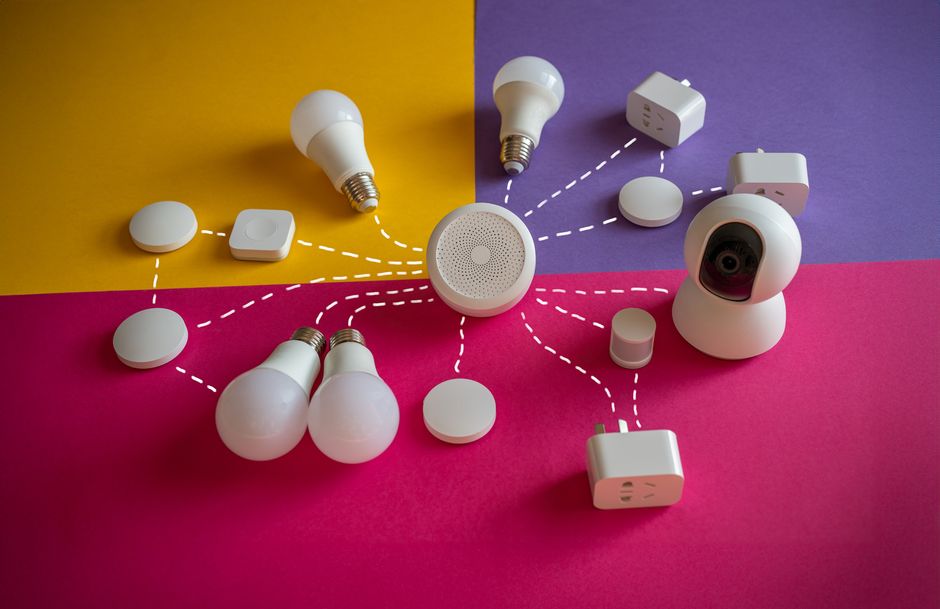
Skeptics frequently dismiss smart home technology as an unnecessary collection of smartphone gimmicks, arguing that turning on a light switch or adjusting a thermostat manually requires minimal effort. However, evaluating a well-designed smart home in 2026 reveals that true home automation is not about replacing physical switches with smartphone app taps—it is about systematically eliminating friction points, automating repetitive household routines, and enhancing environmental comfort. A properly integrated smart home anticipates occupant needs, managing indoor climate, natural lighting, air quality, security, and energy efficiency quietly in the background without human intervention.
Circadian Lighting and Dynamic Color Temperature Adjustment
Human biology is deeply linked to natural sunlight cycles. Artificial indoor lighting operating at static color temperatures disrupt natural circadian rhythms, contributing to evening insomnia and morning fatigue.
Circadian Smart Lighting Architecture. Circadian smart lighting automatically adjusts lighting color temperature and brightness continuously throughout the day:
– Morning (7:00 AM – 12:00 PM): Lights illuminate at 5000K crisp cool daylight white to suppress melatonin production, boosting focus, mental energy, and productivity.
– Afternoon (12:00 PM – 6:00 PM): Lighting shifts to 3500K neutral white, providing clean, comfortable illumination for general household tasks.
– Evening (6:00 PM – 10:00 PM): Lighting gradually warms to 2200K soft amber, simulating sunset hues to stimulate natural melatonin production and prepare the body for restful sleep.
Automated Evening Wind-Down. Programming living room and bedroom lights to automatically warm and dim to 20% brightness at 9:00 PM creates an effortless psychological signal for bedtime wind-down.
Micro-Climate Optimization and Multi-Sensor Zoning
Centralized HVAC thermostats measure indoor temperature from a single hallway location, ignoring temperature discrepancies across upstairs bedrooms, home offices, and basements.
Multi-Sensor Temperature Zoning. Pairing a smart thermostat (ecobee Smart Premium) with remote room temperature sensors resolves multi-room temperature imbalances. During workday hours, the thermostat prioritizes temperature comfort in the home office; during sleeping hours (10:00 PM to 6:00 AM), the thermostat automatically shifts its active temperature averaging to bedroom sensors, preventing overnight overheating.
Automated Humidity Control and Indoor Air Quality (IAQ). Smart air quality monitors (Eve Room or Aqara Air Quality Monitor) track indoor Volatile Organic Compounds (VOCs), PM2.5 particulate matter, and humidity. When cooking fumes or high humidity levels are detected, the system automatically triggers smart-plug-connected air purifiers or bathroom exhaust fans until air quality normalizes.
Automated Comfort and Convenience Metrics
| Smart Home Subsystem | Manual Living Environment | Automated Smart Home Environment | Measured Comfort Improvement |
|---|---|---|---|
| Indoor Lighting | Static single-color lighting switches| Dynamic Circadian color temperature shifting| Improved sleep quality & focus | ||
| HVAC Climate Control | Hallway single-sensor manual thermostat| Multi-room occupancy-based temperature zoning| Eliminates bedroom hot/cold spots | ||
| Keyless Home Entry | Manual key turning & searching | Hands-free HomeKey proximity unlocking | Zero key hassle carrying heavy groceries |
| Natural Daylight | Manual window blind adjustment | Automated sunrise opening & sunset closing | Natural morning wake-up experience |
| Irrigation & Lawn | Fixed calendar sprinkler timer | Local weather-adaptive rain skip watering | Prevents lawn over-watering & yellowing |
Frictionless Keyless Entry and Hands-Free Package Arrival
Eliminating daily physical keys transforms morning departures and evening returns.
Proximity Unlocking and Hands-Free Entry. Approaching your front door carrying heavy groceries while wearing an Apple Watch automatically unlocks the deadbolt (via Schlage Encode Plus HomeKey tap), disarms the security alarm, and turns on entryway lighting automatically upon opening the door.
Automated Perimeter Night Securing. Executing a “Goodnight” voice command or automated 10:30 PM schedule checks the status of all perimeter doors, locks any unlocked deadbolts, lowers garage doors, sets the security alarm to “Stay” mode, and verifies that ground-floor smart windows are closed.
Energy Bill Reduction Without Comfort Sacrifices
A major benefit of automated climate and lighting control is achieving substantial utility bill reductions without sacrificing personal comfort. Smart thermostats automatically setback temperature targets when geofencing confirms all family members have left the house, returning temperatures to comfortable levels 15 minutes before the first family member arrives home.
Concluding Recommendation
Experience genuine smart home comfort by deploying an ecobee Smart Thermostat Premium with room sensors for multi-room climate zoning, paired with Lutron Caséta circadian smart dimmers and a Schlage Encode Plus keyless lock for an automated living space.
Automated Motorized Window Blinds and Thermal Comfort
Windows represent a major source of summer solar heat gain and winter heat loss. Automating window coverings dynamically manages indoor room temperatures.
Sunrise and Sunset Blind Automations. Programming smart motorized blind wands (SwitchBot Blind Tilt or Eve MotionBlinds) to close automatically during peak summer afternoon sunlight hours reduces indoor room temperatures by 4°F to 6°F, preventing AC compressors from running continuously. In winter, programming blinds to open at sunrise captures passive solar heating, warming living spaces naturally.
Frictionless Sound Systems and Ambient Audio Scenes
Integrating smart speakers (Sonos or HomePod) into home automation routines elevates daily relaxation. Creating a “Cooking” or “Dinner” routine automatically dims kitchen overhead lighting to 40%, turns on warm LED cabinet lightstrips, and starts playing a curated jazz playlist across living room speakers with a single voice phrase.
Presence Detection and Invisible Home Automation
The ultimate evolution of smart home convenience is transition from manual voice commands to “invisible” presence automation. Deploying mmWave radar sensors (Aqara FP2) detects human presence even when a person is sitting completely still reading a book or watching a movie, preventing room lights from turning off unexpectedly—a common flaw of legacy infrared motion detectors.
Voice-Controlled Task Delegation and Family Convenience
Smart home voice assistants reduce mental load for busy households by managing family task delegation. Configuring shared family shopping lists on Echo Show or Google Nest displays allows family members to add items verbally (“Alexa, add milk to the shopping list”) in real time, synchronizing shopping lists instantly to family smartphones before grocery store visits.
Automated Pet Environmental Care and Feeder Schedules
Integrating pet care into smart home comfort routines ensures pets remain comfortable and fed during long workdays. Smart feeders deliver scheduled meal portions on time, while smart climate sensors trigger air purifiers or fans if room temperatures rise, maintaining ideal pet comfort automatically.
Acoustic Isolation and Smart Window Blind Thermal Savings
In addition to circadian lighting and multi-sensor climate control, installing smart motorized window blinds (SwitchBot Blind Tilt or Eve MotionBlinds) provides substantial thermal insulation. Closing blinds automatically during hot summer afternoons reduces solar heat gain, lowering air conditioning energy consumption while maintaining cool, comfortable indoor living temperatures.
Finally, integrating circadian smart lighting with multi-room climate zoning delivers an automated living space that maximizes personal daily comfort and productivity.
Automating environmental routines transforms everyday household tasks into a frictionless, enjoyable living experience.
Building a climate-and-lighting automated smart home provides immediate comfort and long-term utility energy savings.
Our pick: ecobee Smart Thermostat Premium + Lutron Caséta Stack