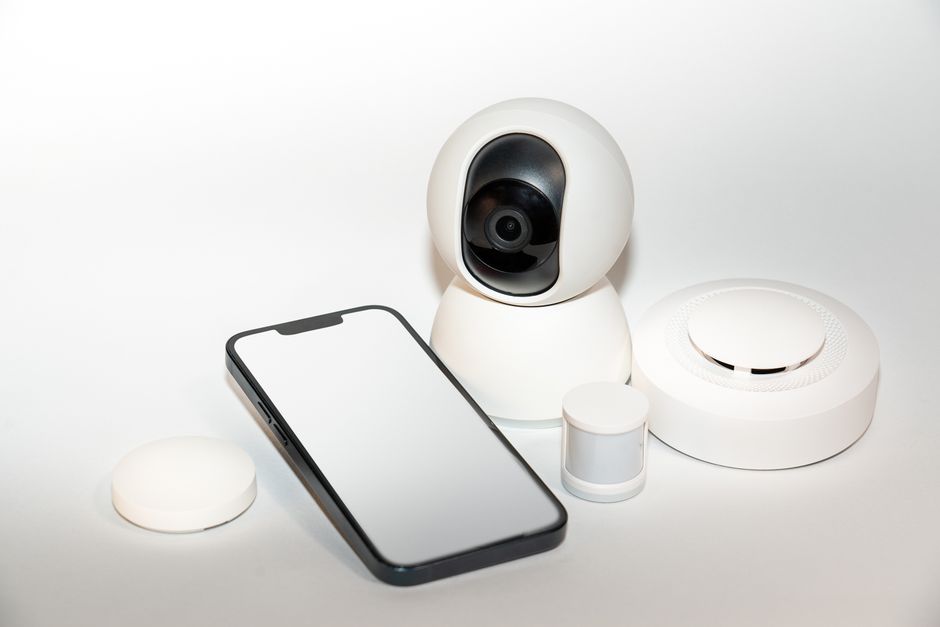
Smart home technology has emerged as a crucial tool for enabling aging-in-place seniors to maintain independent, safe residential living while providing adult children and family caregivers with non-intrusive peace of mind. As physical mobility, vision clarity, and cognitive memory naturally decline with age, everyday household tasks—such as turning on light switches, locking front door deadbolts, managing medication schedules, and answering doorbells—become physical challenges or safety hazards. Designing an accessible, senior-friendly smart home environment in 2026 requires selecting intuitive hardware that operates reliably via voice commands, automated motion presence, and emergency fall detection without requiring complex smartphone app navigation.
Fall Detection, Emergency Response, and Non-Intrusive Presence Tracking
Accidental falls represent the single leading cause of injury and loss of independence among seniors living alone.
Acoustic and Radar Fall Detection (Apple Watch & Aqara FP2). Traditional emergency pendant necklaces are often forgotten on nightstands or rejected by seniors due to social stigma. Modern alternatives provide passive protection:
– Apple Watch Fall Detection: Uses internal accelerometers and gyroscopes to detect hard falls, sounding an audible alarm and automatically dialing 911 emergency services with GPS coordinates if the senior is unresponsive for 60 seconds.
– Aqara FP2 mmWave Radar Presence Sensor: Wall-mounted mmWave radar sensors track room occupancy and detect falls in bathrooms or bedrooms without invasive cameras, alerting family caregivers immediately.
Alexa Emergency Assist. Alexa offers “Alexa Emergency Assist” ($5.99/month), enabling seniors to say “Alexa, call for help” on any Echo speaker to connect instantly to 24/7 urgent response agents who dispatch local emergency responders and notify family contacts.
Keyless Access, Voice Lighting, and Environment Automation
Eliminating physical keys and manual light switches prevents daily physical strain and accidental trip hazards.
Proximity Keyless Entry (Schlage Encode Plus). Smart deadbolts supporting Apple HomeKey or proximity smartphone unlocking eliminate key-fumbling for seniors with hand arthritis or tremors. Family caregivers and medical aides can be assigned unique keypad PIN codes for easy access.
Automated Path Lighting. Installing motion-sensor smart nightlights along hallway routes between the primary bedroom and bathroom prevents nocturnal falls, illuminating warm 10% amber lighting automatically when the senior steps out of bed.
Voice-Controlled Comfort and Medication Reminders. Smart displays (Echo Show 8) feature large touchscreen text, visual medication reminders, and hands-free voice commands to adjust ecobee thermostats or call family members via two-way video calls.
Senior Smart Home Device & Safety Matrix
| Device Category | Top Senior-Friendly Model | Primary Aging-in-Place Benefit | Emergency Alert Function | Investment Cost |
|---|---|---|---|---|
| Emergency Safety Hub | Amazon Echo Show 8 | Voice calls, medication alerts, Alexa Emergency Assist| “Alexa, call for help” voice dispatch | $130.00 | |
| Keyless Deadbolt Lock| Schlage Encode Plus | Proximity tap, no keys needed, remote access logs | Sends unlocked alerts to family app | $240.00 | |
| Fall & Presence Sensor| Aqara FP2 mmWave Radar | Non-camera fall detection & room motion lighting | Pushes instant fall alerts to caregiver | $85.00 | |
| Smart Thermostat | ecobee Smart Premium | Voice climate control, remote temp sensors | Freeze & extreme temp alert push | $240.00 |
| Water Leak Detector | Aqara Water Leak Sensor | Flood prevention under sinks and washing machines | Audible 85dB alarm + Caregiver alert| $18.00 per sensor |
Caregiver Notification Dashboards and Family Privacy Boundaries
Smart home systems for seniors must respect personal dignity while maintaining caregiver visibility. Family caregivers can configure non-intrusive activity notifications (e.g., receiving a push alert if the kitchen motion sensor detects no activity by 10:00 AM) to verify daily wellness without installing invasive indoor video cameras.
Concluding Recommendation
Build a safe, supportive aging-in-place smart home by deploying an Amazon Echo Show 8 (with Alexa Emergency Assist) as a central voice and medication hub, paired with a Schlage Encode Plus keyless lock and Aqara mmWave presence/fall sensors for no-camera safety.
Medication Adherence, Hydration Tracking, and Voice Assistance
Ensuring medication compliance and proper hydration is a primary health priority for seniors living independently.
Automated Visual and Audible Medication Schedules. Smart displays (Echo Show 8 or Google Nest Hub) can be programmed with visual photo pop-up reminders and gentle voice prompts at exact daily intervals (“It is 10:00 AM, time to take your morning blood pressure medication”). The senior taps a “Confirm Taken” button on the touchscreen, automatically sending a confirmation push notification to a family caregiver’s smartphone.
Hands-Free Family Video Calling and Photo Sharing. Echo Show displays feature “Drop In” video calling permissions authorized for designated family members, allowing adult children to check in visually without requiring the senior to navigate complex touchscreen menus or answer calls manually.
Voice-Controlled Comfort for Reduced Physical Mobility
For seniors with limited physical mobility or wheelchair reliance, voice commands eliminate physical barriers. Saying “Alexa, turn on living room lights” or “Alexa, set temperature to 72 degrees” provides immediate environmental control without walking across rooms or reaching physical wall switches.
Preventing Environmental Hazards: Smart Smoke and Water Leak Safety
For aging-in-place seniors, environmental hazards like stove fires and plumbing leaks carry severe safety risks.
Automated Appliance Shut-Offs. Installing smart plugs (Kasa or Eve Energy) on high-heat countertop appliances (space heaters, coffee pots) allows setting automated shut-off timers that cut electrical power after 30 minutes of continuous operation, preventing accidental house fires caused by memory lapses.
Smart Main Water Shut-Off Valves. Linking water leak sensors placed under vanity sinks and water heaters to a smart main water shut-off valve (Moen Flo) ensures the main water supply shuts off automatically within 5 seconds of leak detection, protecting senior residences from devastating structural water damage.
Visual Doorbell Intercoms and Hearing-Impaired Accessibility
For aging-in-place seniors with hearing impairments, traditional doorbells are frequently unheard.
Visual Smart Doorbell Flashing. Programming smart color bulbs (Philips Hue or Kasa) to flash room lights bright green or amber whenever a video doorbell is pressed provides immediate visual notifications across all rooms, ensuring seniors never miss a visitor or medical delivery.
Two-Way Smart Display Intercoms. Smart displays (Echo Show 8 or Nest Hub Max) placed in primary living rooms allow seniors to see and speak with visitors at the front door using hands-free voice commands (“Alexa, show the front door”), confirming visitor identity before unlocking Schlage Encode Plus keyless deadbolts.
Evaluating Medication Dispenser Automation for Seniors
Automated smart medication dispensers (Hero Health or EllieGrid @ $10 to $30/month) organize daily pill routines into automated compartments that chime and flash visual lights when medication doses are due, sending real-time missed-dose alerts to family caregivers if pills remain unscheduled after 30 minutes.
Building an accessible smart home environment for seniors supports daily independent living while providing adult children with non-intrusive peace of mind.
Universal design smart home technology fosters sustainable, long-term aging-in-place independence.
Our pick: Amazon Echo Show 8 + Schlage Encode Plus + Aqara FP2 Sensor Stack