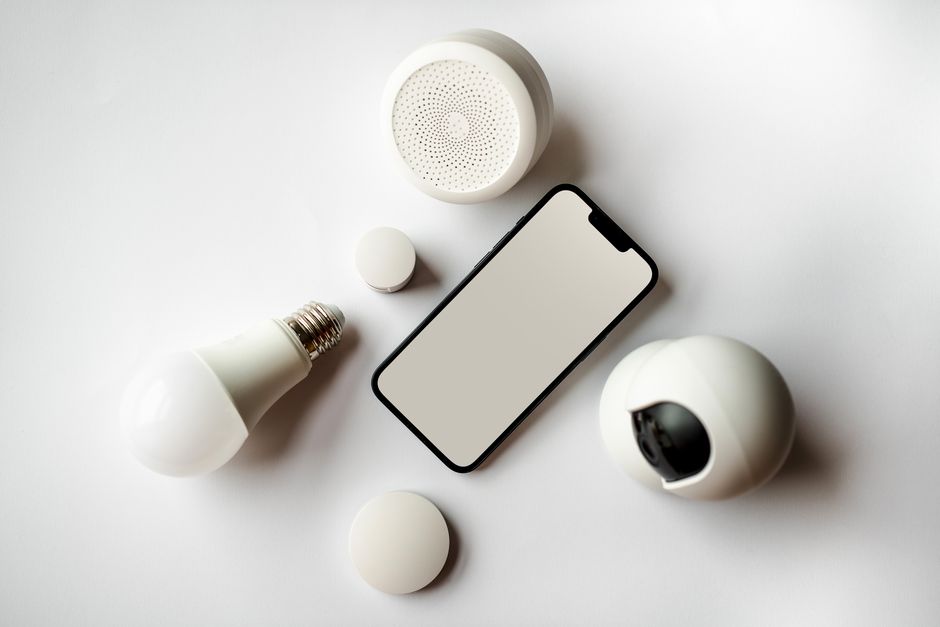
Smart home technology has evolved from a convenience novelty into a transformative accessibility tool for individuals living with physical disabilities, mobility impairments, visual/auditory limitations, and neurodivergent conditions. By replacing physical wall switches, door keys, and manual appliance controls with voice activation, hands-free automation sensors, and adaptive smartphone interfaces, smart home devices foster unprecedented daily independence. Designing an accessible smart home environment in 2026 requires selecting hardware that supports universal design standards, reliable voice recognition, custom switch inputs, and automated environmental routines.
Voice Ecosystems and Adaptive Assistive Access: Alexa vs Siri vs Google
Voice control serves as the primary operational gateway for users with limited upper-body mobility or motor control challenges.
Amazon Alexa Adaptive Accessibility. Alexa offers the most extensive suite of built-in accessibility features across voice platforms. “Tap to Alexa” enables non-verbal users to trigger custom routines and voice commands via touchscreens on Echo Show devices or connected adaptive switches. “Adaptive Listening” extends the time Alexa waits for a user to finish speaking, accommodating individuals with speech impediments, dysarthria, or stuttering. Furthermore, “Show and Tell” utilizes Echo Show cameras to identify canned goods and household items for visually impaired users.
Apple Siri and Switch Control Integration. Apple’s accessibility framework leverages deep iOS integration. “Switch Control” allows users with severe motor impairments to control Apple Home accessories using external adaptive physical switches, joystick devices, or head-tracking cameras. “Voice Control” on iOS enables full system navigation using custom voice phrases, while “Sound Recognition” detects alarms, crying babies, or doorbells, flashing room lights to alert deaf or hard-of-hearing residents.
Google Assistant Voice Match. Google Assistant excels in natural language processing and conversational understanding. “Project Relate” utilizes custom AI speech models trained on non-standard speech patterns, enabling individuals with ALS, cerebral palsy, or stroke recovery to control Google Home devices reliably.
Accessible Smart Lighting, Climate, and Keyless Entry Solutions
Automating foundational physical interactions—doors, lights, and climate controls—eliminates daily physical barriers.
Keyless Automated Entry: Smart Locks and Auto-Openers. For wheelchair users or individuals with severe hand arthritis, turning a physical key is painful or impossible. Smart locks featuring Apple HomeKey (Schlage Encode Plus) unlock doors automatically via Apple Watch proximity tap or hands-free Siri commands. Pairing smart locks with automated swing-door operators allows complete hands-free door opening.
Smart In-Wall Lighting and Automated Motion Presence. Replacing physical toggle switches with smart dimmers (Lutron Caséta) or installing mmWave radar presence sensors (Aqara FP2) eliminates the need to reach wall switches. Lights illuminate automatically upon entering a room and adjust brightness dynamically based on time of day.
Voice-Controlled Climate and Smart Blinds. Smart thermostats (ecobee Smart Premium) paired with voice control allow residents to adjust room temperatures without navigating physical wall units. Automated motorized window shades (SwitchBot Blind Tilt or Lutron Serena) adjust natural lighting without manual cord pulling.
Accessibility Smart Home Device Matrix
| Device Category | Top Accessibility Model | Primary Assistive Feature | Supported Platform Integrations | Mobility / Disability Focus |
|---|---|---|---|---|
| Voice Assistant Hub | Amazon Echo Show 10 | Tap to Alexa, Show & Tell, Auto-Framing | Alexa Native | Motor, Visual & Speech Impairments |
| Smart Keyless Lock | Schlage Encode Plus | Apple HomeKey Proximity Tap, Voice Lock | HomeKit, Alexa, Google | Fine Motor & Arthritis Relief |
| Presence Motion Sensor| Aqara FP2 mmWave Sensor | Hands-Free Room Presence Lighting | HomeKit, Alexa, Google, SmartThings| Complete Hands-Free Automation | ||
| Smart Thermostat | ecobee Smart Premium | Voice Control, Remote Temperature Sensor | HomeKit, Alexa, Google, SmartThings| Wheelchair & Reach Independence | |
| Adaptive Switch Hub | SwitchBot Bot & Hub 2 | Physical Button Pusher via Voice/App | HomeKit, Alexa, Google, Matter | Non-Smart Appliance Automation |
Neurodivergent and Cognitive Accessibility Automations
Smart home routines provide essential structure and executive functioning support for individuals with autism, ADHD, dementia, or memory loss.
Automated Medication and Hydration Reminders. Echo Show and Google Nest Hub devices can display visual and audible medication schedules at exact daily intervals, requiring users to tap a screen confirmation button.
Visual Transition Routines. Programming smart color bulbs (Philips Hue or Govee) to shift lighting color temperatures—such as shifting from bright 5000K white light to soft 2700K amber light at 8:00 PM—provides gentle, non-jarring sensory cues for bedtime transitions.
Automated Safety Shut-Offs. Installing smart plugs on high-heat appliances (curling irons, space heaters, coffee makers) automatically cuts electrical power after 30 minutes of inactivity, preventing accidental house fires caused by memory lapses.
Concluding Recommendation
For individuals requiring maximum voice accessibility, adaptive touchscreen options, and speech-impairment support, build an Amazon Alexa Echo Show-native smart home ecosystem. Pair Echo Show hubs with Lutron Caséta lighting and Schlage Encode Plus keyless locks to establish an accessible, highly reliable smart living space.
Tactile and Haptic Smart Home Interfaces for Visual Impairments
For visually impaired or blind residents, physical tactile feedback and haptic cues provide critical operational confidence.
Tactile Smart Buttons and Remote Switches. Installing dedicated smart buttons (Flic 2 or Lutron Pico Remotes) with raised physical tactile dots allows users to trigger complex lighting and entertainment scenes by feel. A single press can turn on living room lights, while a double press adjusts thermostat temperatures.
Smart Braille and Screen Reader Compatibility. Mobile smart home applications must support native mobile screen readers (Apple VoiceOver on iOS, Google TalkBack on Android). Apple Home and Amazon Alexa mobile apps feature robust screen reader accessibility code, enabling blind users to configure automation schedules and review sensor statuses independently.
Emergency Environmental Safety and Audible/Visual Alarm Synchronization
Ensuring emergency environmental safety for hearing-impaired or deaf residents requires synchronizing smart smoke and carbon monoxide detectors with visual room lighting.
Smart Smoke Alarm Integration. Installing smart smoke/CO listeners (Ring Alarm Smoke/CO Listener or First Alert Z-Wave Smoke Detectors) enables automated safety routines. When a smoke detector triggers an audible siren, the smart home hub automatically flashes all room lights red at maximum brightness, unlocks keyless smart locks for emergency exit access, and shuts off HVAC furnace blowers to prevent smoke circulation throughout the house.
Voice Assistant Privacy Controls and Local Voice Processing
For individuals relying on voice control for daily accessibility, privacy protection is a major consideration. Platforms like Home Assistant offer local voice processing engine options (Voice Assistant / Home Assistant Year of the Voice) running on local hardware. Local voice processing executes voice commands locally without sending audio recordings to cloud servers, ensuring complete privacy while maintaining reliable voice control even during internet service outages.
Finally, combining adaptive voice assistants with hands-free presence sensors and keyless HomeKey locks establishes an accessible, highly independent smart living space.
Deploying universal design smart home technology delivers transformative daily confidence and functional independence.
Our pick: Amazon Echo Show 10 + Schlage Encode Plus + Lutron Caséta Stack