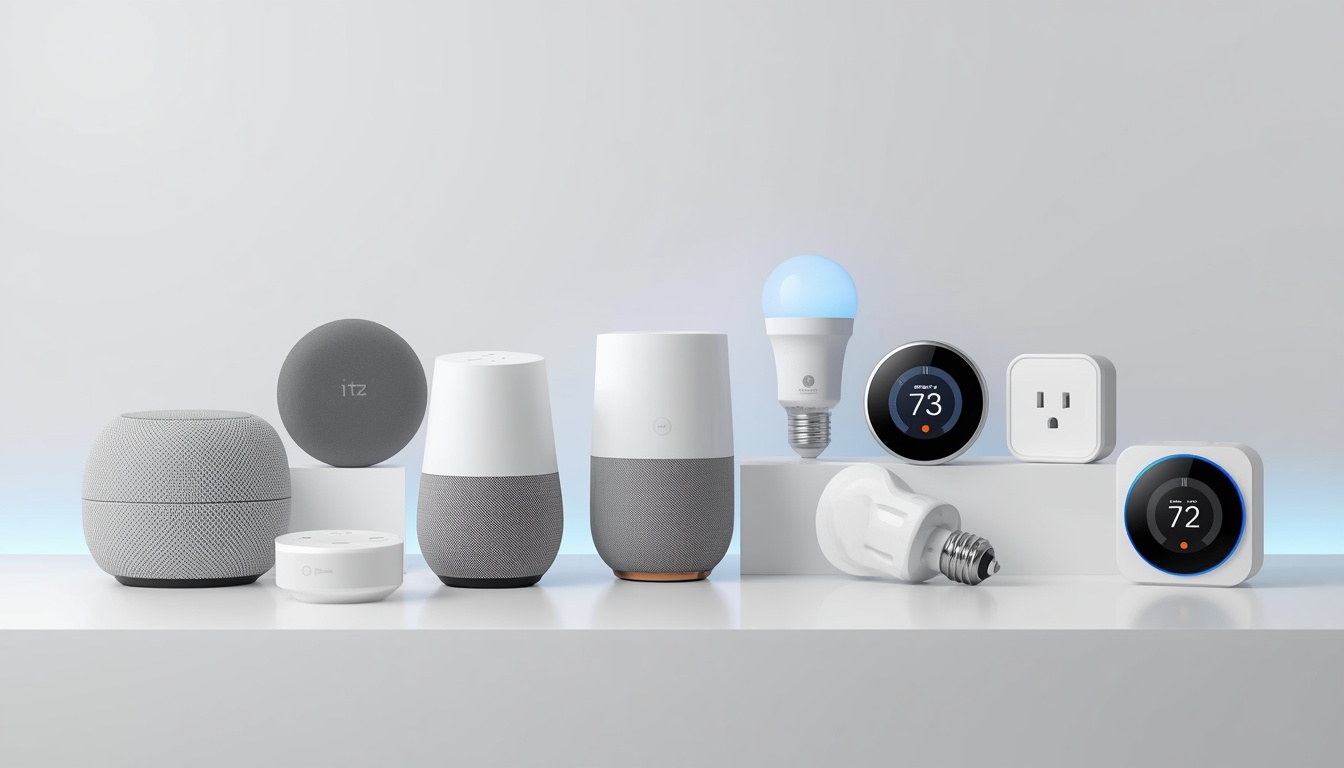
Disclosure: This Ecobee Smart Thermostat Premium Review 2026 features affiliate links to partners, though all opinions are our own, ensuring honest and independent analysis
As an Amazon Associate I earn from qualifying purchases.
Ecobee sells three thermostats that all run the same core software, which makes the buying decision less about “which brand” and more about “which roughly $60–$100 gap in features is actually worth paying for.” The Premium is the flagship at around $250, one step above the Enhanced at around $190, and the honest answer up front is that most households don’t need it — but a specific kind of buyer genuinely does, and this review is about figuring out which one you are before you spend the extra money.
What’s actually different about the Premium
Strip away the marketing and the Premium adds exactly two things on top of the Enhanced: a built-in Alexa speaker/microphone (so the thermostat itself doubles as an Echo device you can talk to from the hallway) and an onboard air quality monitor that tracks CO2, VOCs, and particulate levels in whatever room the thermostat is mounted. It also swaps the Enhanced’s plastic touchscreen for a metal-and-glass finish that looks noticeably more premium on the wall. Everything else — the included SmartSensor room sensor for detecting occupancy and temperature in a different room, HomeIQ energy reports, geofencing, 7-day scheduling, and the core hardware that actually controls your HVAC system — is identical between the two models. Independent testing from Wirecutter and CNET has both named the Premium their top overall pick and Editors’ Choice for 2026, but both reviews note that rating reflects the ecobee software experience broadly, not a Premium-specific advantage over the cheaper Enhanced.
The one feature that’s genuinely unique to Ecobee
Regardless of which tier you buy, Ecobee is the only major smart thermostat brand with native Apple HomeKit support — Nest and most of Wyze’s lineup require a third-party bridge or don’t support HomeKit at all. If you’re in an Apple-first household and want the thermostat to show up natively in the Home app and respond to Siri without a workaround, that’s an Ecobee-specific reason to buy, separate from the Premium-vs-Enhanced question. The core scheduling, geofencing, and room-sensor features work through Ecobee’s own app with no subscription required on any tier, which is a genuine advantage over some competitors that gate advanced scheduling behind a monthly fee.
Does the Alexa speaker actually replace an Echo device?
Mostly, yes, for basic use — you can ask it to set timers, check weather, or control other smart home devices the same way you would an Echo Dot mounted in a hallway. Where it falls short: the microphone and speaker are tuned for voice commands and simple responses, not music playback, so it’s not a substitute for a dedicated speaker if you actually want to listen to something. If you already own an Echo device anywhere near where the thermostat is mounted, this feature adds very little you don’t already have.
Air quality monitoring: useful, but with a real caveat
The CO2/VOC/particulate sensor is a legitimately unusual feature for a thermostat, and it’s genuinely useful if you have allergy sufferers in the household or live somewhere with wildfire smoke or high pollen seasons — Ecobee’s app will alert you and can trigger your HVAC fan to run a filtration cycle automatically. The caveat: it’s a single sensor at the thermostat’s location, usually a hallway, which may not reflect air quality in a bedroom or basement. Treat it as a household-average indicator, not a room-by-room air quality system.
Check price on Amazon
Real-world energy savings
Ecobee’s own HomeIQ reporting and third-party testing both put realistic energy savings from switching a non-smart thermostat to an ecobee (any tier, since the savings come from the scheduling/geofencing software, not the Premium-specific hardware) in the 20-23% range on heating and cooling costs, which lines up with roughly $18–$20/month independent testers have measured on a typical seasonal utility bill. That means the Premium’s extra cost over the Enhanced typically pays for itself in well under a full heating or cooling season purely on the energy-savings side — the real question is whether you value the Alexa speaker and air quality sensor themselves, not whether the thermostat pays for itself, because either tier does that.
Installation and compatibility
Ecobee’s app walks you through a compatibility check before you buy, which matters because HVAC systems that lack a C-wire (common in older homes) sometimes need an included Power Extender Kit to run the Premium’s screen and Alexa functionality reliably — this is bundled in the box, not an extra purchase, but it does mean a slightly more involved install than a plug-and-play swap. Budget 30-45 minutes for a straightforward system; if your setup is unusual (multi-stage heat pump, boiler, or a system without a C-wire), check Ecobee’s compatibility checker with your system’s wire labels before ordering.
Who should actually buy the Premium vs. the Enhanced
Buy the Premium if you specifically want the built-in Alexa speaker in a room without an existing Echo device, or if allergy/air-quality tracking genuinely matters to your household. Buy the Enhanced instead if you already have Echo devices around the house and don’t need air quality monitoring — you get the identical room sensor, identical energy-saving scheduling, and identical HomeKit/Google Home/Matter support for less money, which most buyers researching this product will find is the smarter purchase. Either way, skip the base ecobee tier if you want the SmartSensor room-balancing feature, since that’s not included on the entry model.
Comparison table
| Model | Price | Room sensor | Air quality monitor | Built-in Alexa | Display |
|---|---|---|---|---|---|
| Ecobee Premium | Around $250 — check current price | Included | Yes | Yes | Metal/glass |
| Ecobee Enhanced | Around $190 — check current price | Included | No | No | Plastic touchscreen |
| Ecobee 3 Lite (base) | Around $140 — check current price | Not included | No | No | Plastic touchscreen |
FAQ
Do I need a C-wire for the Ecobee Premium?
No — it ships with a Power Extender Kit for systems without one, though installation takes a bit longer than a direct swap.
Is the air quality sensor accurate for the whole house?
It measures conditions at the thermostat’s location only, typically a hallway, so treat it as a household-average reading rather than a per-room reading.
Does the Premium work with a heat pump or dual-fuel system?
Yes, Ecobee supports single- and multi-stage heat pumps, dual-fuel, and conventional forced-air systems — check the exact configuration against Ecobee’s online compatibility checker before buying, since wiring varies by system age.
Is the jump from Enhanced to Premium worth it?
Only if you’ll actually use the built-in Alexa speaker or the air quality monitor — the energy-saving scheduling, room sensor, and HomeKit/Matter support are identical on both models, so the Enhanced covers the core smart-thermostat value at a lower price.