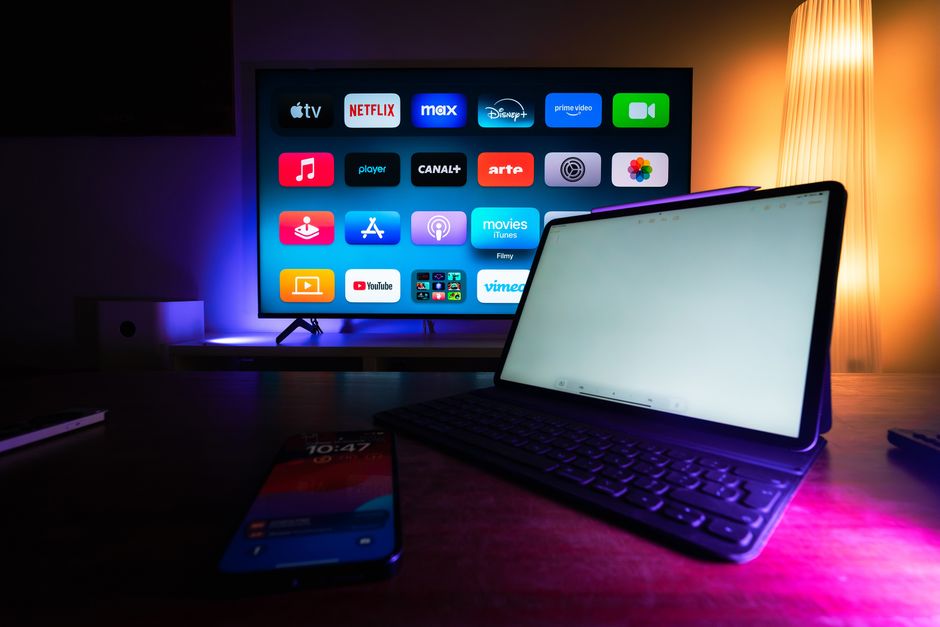
Selecting the primary smart home platform—Amazon Alexa, Google Home, Apple HomeKit, or Samsung SmartThings—is the single most important decision when building a connected home. Each platform operates under distinct wireless protocol standards, privacy frameworks, hardware requirements, and automation capabilities. While the emergence of the unified Matter smart home standard has improved cross-platform device compatibility, structural differences across big-four ecosystems remain significant in 2026. Evaluating platforms across voice control responsiveness, local processing speed, ecosystem openness, and complex automation capabilities ensures you select the platform best aligned with your household tech preferences.
Amazon Alexa: The Voice Market Leader
Amazon Alexa offers the broadest third-party hardware compatibility and the most conversational voice assistant engine.
Alexa Strengths: Unmatched third-party device compatibility (140,000+ accessories), extensive voice routine triggers, excellent smart display hardware options (Echo Show 8, Echo Hub), and accessible “Alexa Hunches” AI automation.
Alexa Weaknesses: Heavy reliance on cloud processing for legacy skills, aggressive sponsored content ads on Echo Show screens, and limited local execution if internet connectivity drops.
Google Home: AI Intelligence and Search Integration
Google Home leverages Google’s industry-leading artificial intelligence and Gemini search models to deliver superior natural language processing.
Google Home Strengths: Unmatched voice assistant comprehension (understands complex, multi-part voice queries), superior Google Maps traffic integration, seamless integration with Android smartphones, and crisp Nest camera integration.
Google Home Weaknesses: Automation engine is less customizable than SmartThings or HomeKit, fewer third-party hardware accessories supported natively, and frequent corporate hardware deprecations.
Apple HomeKit: Privacy, Speed, and Local Thread Execution
Apple HomeKit operates as a security-first, local-control smart home platform designed exclusively for Apple ecosystem users.
Apple HomeKit Strengths: 100% local processing speed over Thread mesh networks (instantaneous device response), end-to-end data encryption, strict user privacy, hands-free Apple HomeKey door unlocking via Apple Watch, and robust local HomeKit Secure Video cloud recording.
Apple HomeKit Weaknesses: Requires an Apple TV 4K or HomePod hub, strictly requires iOS/Apple devices (zero Android app support), and carries higher average hardware certification costs.
Samsung SmartThings: The Power-User Automation Ecosystem
Samsung SmartThings bridges the gap between mainstream consumer simplicity and advanced power-user automation flexibility.
SmartThings Strengths: Native support for Z-Wave, Zigbee, Thread, and Matter protocols via SmartThings Station or v3 Hub; highly advanced conditional automation engine (IFTTT-style rules); excellent Samsung TV and appliance integration; accessible via Android and iOS.
SmartThings Weaknesses: Interface can feel complex for beginner non-technical users, and cloud API changes occasionally disrupt legacy custom community smartapps.
Big-Four Smart Home Platform Comparison Matrix
| Platform Name | Primary Wireless Protocols | Primary Hub Hardware | Local vs Cloud Processing | Native OS Requirement | Best Overall Audience |
|---|---|---|---|---|---|
| Amazon Alexa | Matter, Thread, Zigbee, Wi-Fi| Echo Hub / Echo Show 10 | Hybrid (Cloud + Local Matter)| iOS / Android Agnostic | Broadest third-party compatibility | ||
| Google Home | Matter, Thread, Wi-Fi | Nest Hub Max / Nest Audio| Cloud-Heavy (Local Matter) | Best on Android (iOS App) | Best voice AI & search integration | |
| Apple HomeKit | Matter, Thread, Wi-Fi | Apple TV 4K / HomePod 2 | 100% Local Thread Processing| Strictly Apple iOS / watchOS| Best privacy, speed & security | ||
| Samsung SmartThings| Matter, Thread, Z-Wave, Zigbee| SmartThings Station / Hub | Local Processing + Cloud | iOS / Android Agnostic | Best protocol support & routines |
Selecting the Right Platform for Your Household
Match your smart home platform to your existing smartphone and hardware ecosystem:
– Choose Apple HomeKit: If every family member uses an iPhone and Apple Watch, and you prioritize instant local speed and data privacy.
– Choose Amazon Alexa: If you want maximum hardware choice, broad device compatibility, and wall-mounted Echo Show control dashboards.
– Choose Google Home: If your household uses Android smartphones, Google Pixel devices, and Google Nest cameras.
– Choose Samsung SmartThings: If you want to connect legacy Z-Wave and Zigbee sensors alongside modern Matter devices without installing Home Assistant.
Concluding Recommendation
For Apple ecosystem users, Apple HomeKit paired with an Apple TV 4K Thread Border Router provides the fastest, most secure smart home experience. For platform-agnostic households seeking maximum device compatibility, Amazon Alexa paired with an Echo Hub offers the best balance of voice control and hardware selection.
Evaluating the Impact of the Matter and Thread Standards
The deployment of Matter (an open-source application layer protocol) and Thread (a low-power IP-based mesh network protocol) has significantly reshaped the big-four platform landscape.
How Matter and Thread Unify Platforms. Historically, buying a smart plug meant choosing specifically between “Works with HomeKit” or “Works with Alexa.” Matter-certified devices feature Multi-Admin capabilities, allowing a single Thread smart plug (Eve Energy) to be connected simultaneously to Apple Home, Amazon Alexa, and Google Home networks. Family members using different smartphone operating systems (iPhones vs Android) can control identical household accessories seamlessly.
Local Execution Speed Advantages of Thread. Unlike legacy Wi-Fi or cloud-dependent protocols, Thread creates an interconnected local mesh network. Commands issued within Matter-compliant platforms execute locally over Thread in under 50 milliseconds, bypassing external internet cloud servers entirely.
Security and Data Privacy Framework Comparisons
Data privacy policies vary greatly across major platform operators:
– Apple HomeKit: Gold standard in privacy. All home data is processed locally on Apple TV/HomePod hubs and encrypted end-to-end. Apple does not monetize user home automation habit data.
– Amazon Alexa & Google Home: Collect anonymized device interaction data to improve AI speech recognition and target relevant promotional offers.
– Samsung SmartThings: Processes data via encrypted Samsung Cloud infrastructure, adhering to international ISO privacy frameworks.
Cross-Platform Automation Management via Matter Multi-Admin
The Matter standard’s Multi-Admin feature represents a major technological breakthrough for multi-platform households. Family members can control identical Matter-certified devices simultaneously using Apple Home on iPhones and Alexa on Echo Show displays, ensuring seamless voice and app accessibility across all family member devices.
Selecting the Best Smart Home Platform for Long-Term Value
When choosing a primary platform, consider long-term hardware longevity. Apple HomeKit and Samsung SmartThings offer exceptional long-term stability and local control, while Amazon Alexa and Google Home provide unmatched voice assistant accessibility and smart display options.
Summary Guidelines for Smart Home Platform Migration
If your household decides to migrate from one smart home platform to another (e.g., migrating from Google Home to Apple HomeKit), selecting Matter-certified Thread accessories ensures a seamless transition. Matter-certified devices can be re-paired to new platform hubs without replacing hardware accessories, protecting your smart home investment.
Finally, selecting a primary smart home platform aligned with your household’s preferred smartphone operating system establishes a fast, secure automated living environment.
Leveraging open Matter-over-Thread standards protects your smart home investment and ensures multi-platform compatibility.
Unifying smart home devices under a robust central hub ensures reliable, fast home automation for all family members.
Our pick: Apple HomeKit (Apple Ecosystem) or Amazon Alexa (Platform Agnostic)