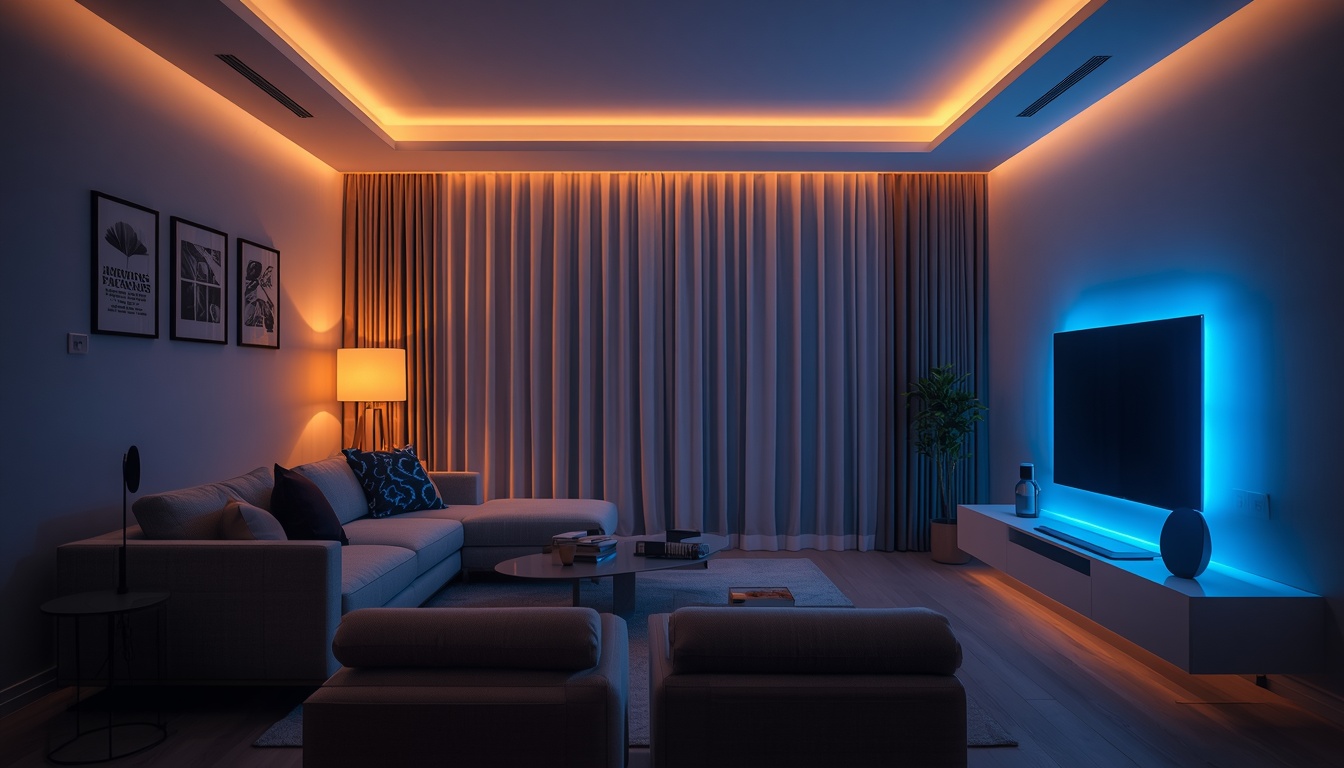



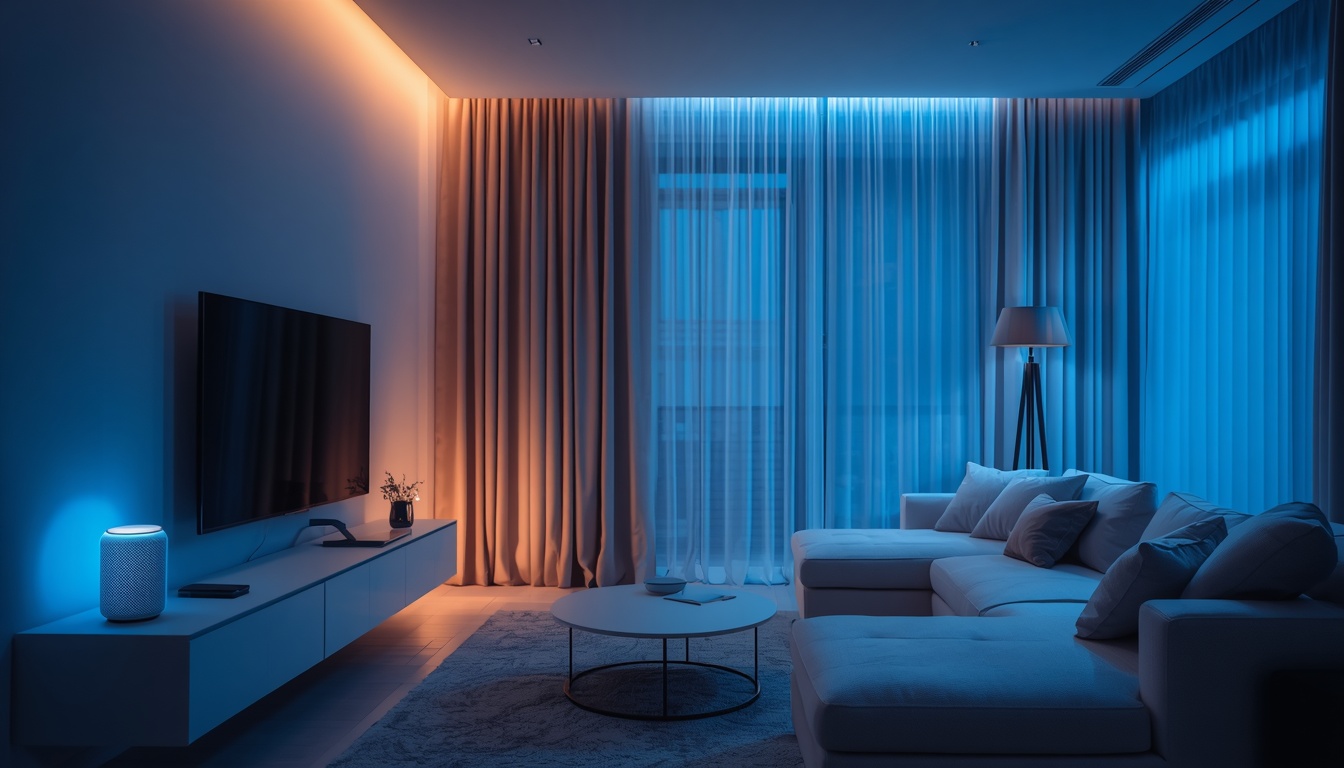
How Smart Home Automation Simplifies Your Morning Routine is a home-automation topic where the real goal is practical improvement, not just novelty. Most people want smart-home tools that save time, reduce friction, lower waste, or make daily routines feel smoother without adding more maintenance than the benefit is worth.
Home automation is most useful when it reduces repeated decisions and makes the home feel easier to manage. The best systems improve ordinary routines first and scale gradually from there.
To evaluate this topic well, it helps to focus on daily convenience, smart routines, device compatibility, time savings, and practical setup. Those elements usually determine whether an automation setup becomes part of a dependable household rhythm or just another collection of devices that need too much attention.
Why This Topic Matters
The appeal of how smart home automation simplifies your morning routine is easy to understand. Repeated daily actions like turning lights on and off, adjusting temperature, managing packages, checking entry points, or remembering small tasks all add up over time.
That is where automation can help. The right setup turns those repeated actions into reliable routines, leaving the household with fewer interruptions and fewer things to remember. The real win is not just convenience; it is consistency.
What Good Automation Looks Like
In this category, daily convenience is often one of the first features or benefits people notice, but it matters only when it improves real behavior. A feature is useful if it saves time, improves clarity, reduces waste, or makes a routine easier to repeat without constant tweaking.
smart routines matters too because different households need different levels of structure. Some people want simple voice control and easy scenes, while others want detailed automations with schedules, triggers, and cross-device logic. The best choice depends on how much complexity the user actually wants to manage.
A strong setup should feel calm and dependable. If it is confusing, slow, noisy, or fragile, the smart-home experience becomes less helpful no matter how impressive the device list looks.
How to Judge Fit
When considering how smart home automation simplifies your morning routine, start with the exact problem being solved. Is the goal to reduce bills, simplify mornings, manage lighting, improve comfort, automate security checks, or make the home easier to control remotely?
That question matters because the best device for one job may be unnecessary or awkward for another. A thermostat does not replace good insulation. A smart plug may solve a small routine better than a full hub. A full automation platform may be overkill if the household only needs a few dependable scenes.
It also helps to ask how the setup behaves during ordinary life. If devices are slow to respond, rely on too many apps, require constant charging, or create notification overload, the system may not deliver enough everyday value.
Setup, Habits, and Follow-Through
The long-term value of how smart home automation simplifies your morning routine often depends on setup discipline and routine maintenance. Device naming, Wi-Fi stability, room grouping, user permissions, schedules, and backup manual control all shape how usable the system feels over time.
A helpful automation setup should also make changes manageable. Households evolve, rooms get repurposed, routines shift, guests visit, and device priorities change. The system should support editing and cleanup without becoming a major project every time something small changes.
Consistency matters more than feature volume. A few well-designed routines often create more value than dozens of half-finished automations that nobody remembers how to troubleshoot.
Reliability, Privacy, and Safety
Home automation works best when it quietly improves daily life without becoming fragile, noisy, or difficult to maintain. That matters because smart homes depend on accounts, networks, permissions, and device behavior that can affect comfort, cost, and access control. Buyers should think about reliability and privacy at the start rather than after the system grows.
Strong passwords, firmware updates, stable Wi-Fi, and clear user roles are part of good automation hygiene. Smart devices are most helpful when they are both convenient and predictable.
Quality Markers to Look For
The strongest automation tools reduce friction. Reliable routines, clear controls, simple maintenance, and good compatibility help households stay happy with the system long after the novelty fades.
Quality also shows up in restraint. The best smart-home setups solve repeat problems quietly instead of pushing people to automate every possible action.
It also helps when a product explains its purpose clearly. Buyers should understand whether a device is best for energy savings, comfort, scheduling, platform control, security support, or simple lifestyle convenience.
Transparent pricing, realistic setup expectations, and easy routine editing are also part of quality. Automation products earn trust when they solve repeated problems without overselling what technology alone can do.
Common Mistakes to Avoid
One common mistake is automating too much too quickly. A smart-home setup usually works better when it starts with a few high-value routines and grows only after those routines feel dependable.
Another mistake is expecting how smart home automation simplifies your morning routine to fix broader household problems by itself. Devices can support efficiency and convenience, but they work best alongside good habits, sensible physical setup, and realistic expectations.
It is also worth avoiding ecosystem sprawl. Too many disconnected platforms can create friction, duplicate apps, and maintenance headaches that wipe out the convenience benefit.
Bottom Line
How Smart Home Automation Simplifies Your Morning Routine is best approached as a fit question, not a hype question. The strongest choice is the one that solves a real repeated problem, fits the home’s routines and budget, stays reliable over time, and makes everyday life feel easier instead of busier.
This content is educational and should not replace professional advice for electrical work, fire safety, building code compliance, or network security. Any home-automation setup should be paired with strong passwords, firmware updates, and a practical fallback plan when internet or power issues occur.